Source taiwan measuring tape for Construction, DIY, and Tailoring
Explore 30 options for taiwan measuring tape suitable for construction, DIY projects, and tailoring. Buyers can compare specifications, materials, and customization support from verified suppliers.
Key considerations
Products List









Comprehensive Sourcing Guide
Strategic Sourcing Guide for Measuring Tape Procurement
The global market for measuring instruments presents a complex landscape for B2B buyers, particularly when the search parameters involve specific regional origins like Taiwan. While the core keyword "taiwan measuring tape" suggests a focus on manufacturers from that specific island, the available supply chain data reveals a broader ecosystem of production capabilities, primarily anchored in mainland China, with diverse material compositions and certification profiles. A successful procurement strategy requires moving beyond simple keyword matching to a rigorous evaluation of technical specifications, compliance frameworks, and supply chain logistics. This guide provides an evidence-based framework for sourcing measuring tapes, synthesizing observed market data with essential procurement principles to ensure quality and reliability.
Technical Specifications and Material Composition
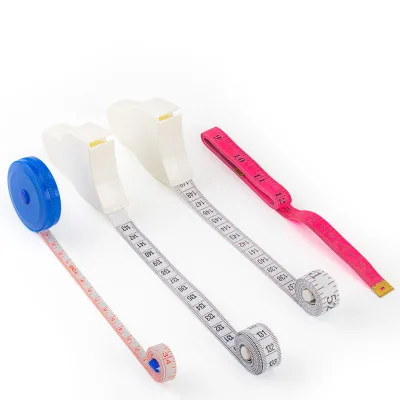
The first critical step in sourcing is defining the technical requirements of the measuring tape. The market offers a wide spectrum of products ranging from simple plastic tapes to high-precision stainless steel instruments. Buyers must distinguish between these categories based on the intended application. Data indicates that Plastic is a common material for general-purpose tapes, often packaged in cartons with specific unit counts such as 120 or 500 pieces per carton. These are typically designed for length measurement using manual methods.
Conversely, for applications requiring higher durability and resistance to corrosion, Stainless Steel is the preferred material. These instruments often carry specific model identifiers like the AM22146.0106 or the AM22014 series. A key differentiator in this segment is precision. Some stainless steel variants boast a precision of 0.015mm and an accuracy class of A, with a measurement range extending up to 500mm. These are distinct from general-purpose tools, which may be classified as "Not Precision Measuring Device."
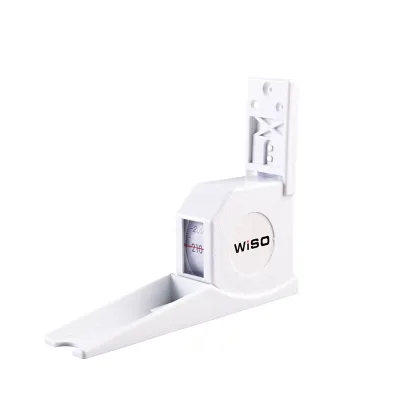
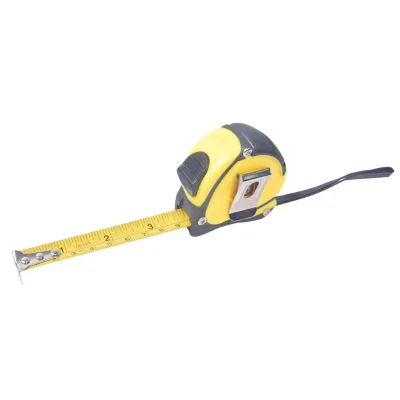
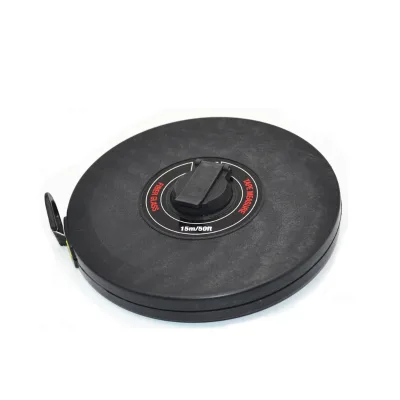
The physical dimensions and standard configurations vary significantly. Buyers should expect to encounter models with standard lengths such as 1m/6mm, 3m/16mm, 5m/19mm, and 8m/25mm. More specialized configurations include lengths like 10m/25mm or specific folded dimensions such as 2.00cm and 1.30cm. The casing material also plays a role; some units feature an ABS case combined with a steel tape, while others utilize an inner box or bulk packaging. When evaluating a supplier, it is essential to verify the specific model number, such as HMT-012 or AA-MD-TM-001, against the required specifications, as the "HMT-012" specifically denotes a height measuring tape with a steel tape and ABS case.
Compliance and Certification Verification
In the B2B procurement of measuring instruments, compliance is not merely a formality but a prerequisite for market access and liability protection. The supply data highlights a robust array of certifications that buyers should look for to validate product quality. The most frequently observed certifications include ISO, RoHS, CE, GB, ANS, DIN, JIS, GS, CCC, and TUV.
It is crucial to understand that the presence of a certification on a product listing does not guarantee that every unit in a shipment meets that standard. Buyers must verify that the specific batch they are purchasing carries the relevant documentation. For instance, while GS and TUV are listed as standards, and CE and RoHS are listed as certifications, the buyer must confirm that the supplier can provide valid test reports for these standards. The DIN, ANSI, and JIS standards are particularly relevant for international trade, as they define the dimensional and safety requirements for measuring tools in different regions.
Furthermore, the "Professional Level" quality grade mentioned in the data suggests a tier of manufacturing that adheres to stricter tolerances. However, without specific test data or third-party verification, this claim should be treated as an observation rather than a guaranteed attribute of every listed product. Buyers should explicitly request proof of certification for the specific model numbers they intend to order, ensuring that the ISO or CE marks are not generic but apply to the specific production run.
Cost Drivers and Pricing Dynamics
Understanding the cost structure of measuring tapes is vital for budgeting and negotiation. The observed price range in the market spans from $0.06 to $58.00 USD. This vast disparity is driven by several factors, including material composition, precision level, and packaging complexity.
The lower end of the price spectrum, around $0.06, typically corresponds to basic plastic tapes with minimal packaging, such as a single unit per label. These are often non-customized and serve general retail or light industrial needs. In contrast, the higher end, approaching $58, is associated with high-precision stainless steel instruments, such as those with 0.015mm precision, which require more expensive raw materials and tighter manufacturing tolerances.
Additional cost drivers include customization and packaging. The data shows that Customization is available, with options for OEM and ODM support. Customized products often command a premium due to the setup costs and the need for specialized tooling. Packaging also influences cost; options range from simple 1PC/Label to more complex 1PC/Hang Card or 12PCS*120box/CTN configurations. The choice between Bulk and Inner Box packaging can also affect the final unit price. Buyers should be aware that while a lower MOQ might seem attractive, the unit cost often increases as order volume decreases.
Supplier Evaluation and Origin Considerations
When sourcing, the origin of the product is a significant factor in logistics and quality assurance. The provided data indicates that the primary production location for many of these items is China, with specific mentions of Zhejiang as a manufacturing hub. While the search keyword focuses on "Taiwan," the actual supply chain data suggests that many products marketed under regional search terms are manufactured in mainland China. This distinction is important for buyers to manage expectations regarding lead times and shipping routes.
Supplier evaluation should focus on their ability to meet OEM and ODM requirements. The data confirms that OEM is acceptable and Customized_Support is available. However, buyers must also note that some products are listed as Non-Customized. This inconsistency highlights the need for clear communication with suppliers to confirm whether a specific model can be customized.
The MOQ (Minimum Order Quantity) range observed is from 1 to 3000 units. This flexibility allows buyers to test the market with small orders or commit to larger volumes for better pricing. However, the lead time is a critical constraint; the data specifies a delivery detail of 45-60 Days After Your Order Confirmed. This extended lead time must be factored into inventory planning. Buyers should verify if this timeline is standard for the specific product or if expedited options are available, especially for customized orders.
Quality Control and Performance Verification
Quality control is paramount when dealing with measuring instruments, where accuracy directly impacts downstream operations. The data mentions specific precision metrics, such as 0.015mm, and accuracy classes like A. These are not merely marketing terms but technical specifications that must be verified through testing.
Buyers should implement a rigorous quality control protocol that includes:
- Dimensional Verification: Checking that the tape length matches the stated standard, such as 1m/6mm or 3m/16mm.
- Material Integrity: Ensuring that stainless steel components are free from corrosion and that plastic components are durable.
- Precision Testing: For high-precision models, verifying the 0.015mm accuracy against a calibrated standard.
- Packaging Inspection: Confirming that the 1PC/Label or 120PCS/Carton packaging meets the requirements for protection during transit.
It is important to treat product attributes as observations rather than universal claims. Not every listed product will satisfy every attribute mentioned in the data. For example, while some models are Folded, others may be straight. Some are Professional Level, while others are standard grade. Buyers must request sample testing to confirm that the specific units they receive meet the required performance standards before committing to a large order.
Long-Term Procurement and Supply Chain Resilience
Long-term procurement strategies for measuring tapes should focus on building a resilient supply chain that can adapt to market fluctuations. The 45-60 day lead time observed in the data suggests that buyers should maintain a buffer stock to avoid production delays. Relying on a single supplier for a critical component like measuring tapes can be risky; diversifying the supplier base across different regions, such as Zhejiang and other manufacturing hubs, can mitigate this risk.
Additionally, the availability of Customization and OEM support offers opportunities for buyers to differentiate their products. By working with suppliers who offer ODM services, buyers can create unique product lines that cater to specific market needs. However, this requires a deep understanding of the technical specifications and a commitment to maintaining quality standards throughout the customization process.
Finally, buyers should stay informed about changing regulations and standards. The presence of certifications like GS, CE, and RoHS indicates that the market is responsive to regulatory changes. However, as standards evolve, buyers must ensure that their suppliers remain compliant. Regular audits and re-verification of certifications are essential to maintain the integrity of the supply chain.
In conclusion, sourcing measuring tapes requires a balanced approach that considers technical specifications, compliance, cost, and supply chain logistics. By leveraging the available data and applying rigorous evaluation criteria, buyers can navigate the complexities of the market and secure high-quality products that meet their specific needs. Whether sourcing basic plastic tapes or high-precision stainless steel instruments, the key lies in detailed verification and strategic partnership with reliable suppliers.
FAQs
What certifications are available for measuring tapes?
Many products carry ISO, RoHS, CE, GS, TUV, DIN, and JIS certifications. Buyers must verify that specific batches include valid test reports for these standards rather than assuming all units comply with every listed mark.
Which materials are used for measuring tape production?
Products are commonly made from plastic or stainless steel depending on the application. Stainless steel variants often offer higher precision up to 0.015mm, while plastic versions are typically used for general length measurement tasks.
Can suppliers provide customized measuring tape solutions?
Customization is available with OEM and ODM support for many models. However, some items are listed as non-customized, so buyers must confirm specific model capabilities before ordering tailored specifications.
What is the typical lead time for orders?
The standard delivery detail is 45 to 60 days after order confirmation. This timeline should be factored into inventory planning, and buyers should verify if expedited options exist for specific production runs.
How does the price range vary for these products?
Prices range from 0.06 to 58 USD based on material and precision. Basic plastic tapes cost near the lower end, while high-precision stainless steel instruments command higher prices due to stricter manufacturing tolerances.
Where are these measuring tapes primarily manufactured?
The primary production location is China, with specific hubs in Zhejiang. Buyers should note that products marketed with regional keywords may originate from mainland China rather than the specific region suggested by the search term.